
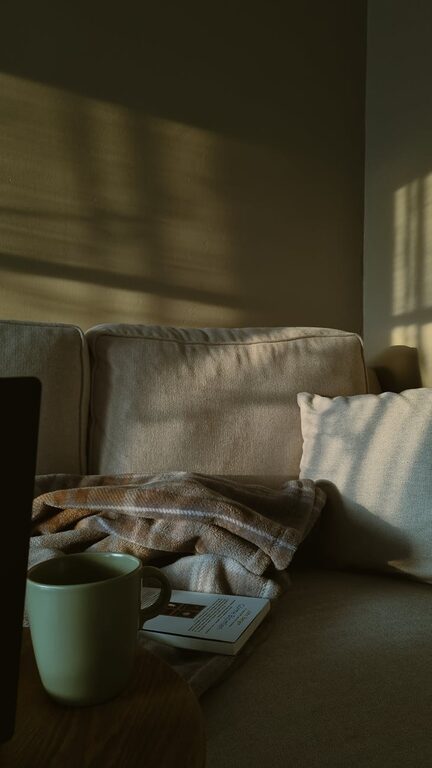
Creating a cozy and inviting reading nook at home can turn any spare corner into your favorite retreat. Whether you have a large room or a small space, a well-designed nook offers a peaceful spot to unwind with your favorite book, enjoy a cup of tea, or simply bask in some quiet moments. This guide shares practical tips to help you build a reading nook that feels just right, tailored to your style and needs.
Why Create a Reading Nook?
A dedicated reading nook has several benefits. It encourages you to take breaks from screens and daily routines, promotes relaxation, and provides a private space for creativity and reflection. Plus, it adds charm and personality to your home décor.
Choosing the Perfect Spot
Find a Quiet Corner
Look for a quiet, less-trafficked area in your home where you can escape distractions. This could be by a window, under the stairs, or even a small alcove.
Maximize Natural Light When Possible
Natural light is ideal for reading and helps make the space feel fresh and inviting. Position your nook near a window if you can, but make sure there are adjustable blinds or curtains to reduce glare when needed.
Consider Privacy and Noise Levels
If the nook is in a busy area, think about adding screens, tall plants, or room dividers to create a feeling of seclusion.
Furniture and Seating
Choose Comfortable Seating
The centerpiece of your nook is comfortable seating. Popular options include:
– Armchairs with soft cushions
– Window seats with plush padding
– Bean bags or oversized floor pillows
Think about your preferred reading posture and pick seating that supports you for longer sessions.
Add a Side Table or Small Shelf
You’ll want a place to keep your books, a cup of coffee, or reading glasses within easy reach. A small side table or wall-mounted shelf works well and keeps clutter to a minimum.
Lighting Solutions
Layer Your Lighting
Good lighting is crucial for a reading nook. Combine ambient light with task lighting:
– Use a warm-toned table lamp or floor lamp next to your seat.
– Consider adjustable lamps that let you direct light where you need it.
– If your nook is near a window, maximize daylight during the day.
Avoid Harsh Lighting
Steer clear of bright white or fluorescent lights, which can strain your eyes and reduce the cozy ambiance.
Textiles and Soft Furnishings
Choose Warm, Inviting Fabrics
Add softness and warmth with cushions, throws, and rugs. Materials like wool, cotton, and fleece can make the nook feel snug and welcoming.
Layer Different Textures
Mix and match textures such as velvet cushions with a knitted throw or a shaggy rug. This variety creates visual interest and enhances comfort.
Personalizing Your Reading Nook
Display Books Creatively
Arrange your favorite books on shelves, in baskets, or stacked on tables. This keeps your selections handy and adds to the nook’s charm.
Add Personal Touches
Include items that make the space yours, such as:
– Framed photographs or artwork
– Plants for a touch of greenery
– Favorite mugs or candles
Keep It Clutter-Free
While personalizing is important, maintaining a tidy space helps your mind relax better. Regularly declutter and only keep essentials in your nook.
Keeping Comfort Year-Round
Temperature Control
Make sure your nook is comfortable in every season. Use a fan or portable heater if necessary, and consider thick curtains to help retain warmth.
Seasonal Decor
Rotate cushions and throws according to the season—lighter fabrics and colors for spring and summer, cozy, warm tones for fall and winter.
Helpful Add-Ons
– A small basket for extra blankets or magazines
– Noise-canceling headphones or a speaker for ambient sounds or audiobooks
– A clock or timer to gently remind you when it’s time to take a break
Final Thoughts
Creating a cozy and inviting reading nook is all about making a space that feels comfortable, peaceful, and tailored to your habits. By choosing the right spot, adding comfy furniture, layering lighting and textiles, and personalizing with beloved items, you can enjoy a little sanctuary dedicated to relaxation and reading right in your own home. Start small, experiment with elements until they fit your style, and most importantly—make it a space you look forward to spending time in daily. Happy reading!